


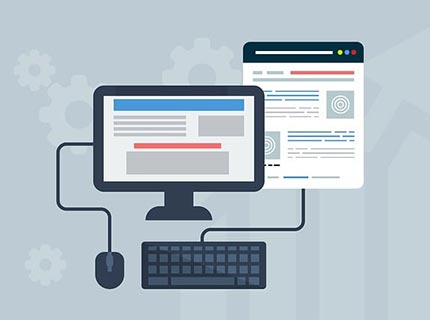


On-page SEO refers to the practices implemented directly on your website to improve its visibility and ranking in search engines. Mastering on-page SEO is essential for driving organic traffic and ensuring that your content reaches the right audience. Here are some tips and best practices to help you optimize your website effectively.
Title tags and meta descriptions are critical elements of on-page SEO. Ensure your title tags include relevant keywords and are under 60 characters. Craft compelling meta descriptions that not only summarize your content but also entice users to click through to your site.
Using header tags (H1, H2, H3) helps organize your content and makes it easier for search engines to understand the structure of your page. Ensure your H1 tag includes the primary keyword and use H2 and H3 tags for subheadings to guide readers through your content.
Internal linking helps distribute page authority and keeps users engaged on your site. Link relevant pages together to enhance user experience and improve crawlability for search engines. Use descriptive anchor text to provide context to the links.
Images enhance the visual appeal of your content but can also impact loading times. Optimize images by compressing them without sacrificing quality and using relevant alt text to describe the content. This practice improves accessibility and can boost your rankings in image searches.
Page load speed is a vital ranking factor. Use tools like Google PageSpeed Insights to analyze your website’s performance and identify areas for improvement. Compressing files, enabling browser caching, and using a Content Delivery Network (CDN) can significantly enhance loading times.
Implementing effective on-page SEO strategies is essential for improving your website’s ranking and driving organic traffic. By focusing on title tags, header tags, internal linking, image optimization, and page load speed, you can master on-page SEO and achieve your digital marketing goals.

Scan to connect quickly

Get a free website and SEO planning proposal

Phone: +62 844 1536 9382
Address: Jl. Ahmad Yani No. 103, Bandung 40115, West Java, Indonesia
Email: rekhamonikaraja@gmail.com

 +62 844 1536 9382